Walking with a Weighted Vest 101: Muscles, Health Benefits & How to Start

If you've ever seen someone walking through a park wearing a tactical-style vest or a heavy backpack, you might have wondered: what is walking with a weighted vest called?
The answer is rucking.
Originally developed as a military training method, rucking has quickly become one of the fastest-growing fitness trends among civilians. It turns an ordinary walk into a powerful workout by adding weight, increasing both calorie burn and muscle engagement.
Unlike traditional cardio workouts, rucking blends strength training and endurance exercise in a way that is accessible for nearly everyone. Whether you're trying to improve fitness, build strength, or simply make your daily walks more effective, rucking offers a simple but powerful solution.
In this guide, we'll explain what rucking is, the health benefits of rucking, what muscles it works, and how you can start safely. New to rucking? Start with our beginner's guide to rucking.
What Is Walking with a Weighted Vest Called?
Walking with a weighted vest or a loaded backpack is called rucking.
The term comes from the word rucksack, the durable backpack soldiers use to carry gear during long marches. Military personnel have relied on ruck marches for decades to build endurance, strength, and resilience.
The concept is simple: You walk while carrying additional weight. That extra resistance forces your body to work harder than during a normal walk. As a result, rucking combines cardiovascular exercise, strength training, and functional movement all in one workout. People ruck using:
- Weighted vests — ideal for even weight distribution
- Backpacks filled with ruck plates — designed for the sport
- Backpacks filled with household items — books, water, or sandbags work for beginners
Regardless of the equipment used, the goal is the same: increase the intensity of walking without the high impact of running. Not sure how much weight to carry? Use our rucking weight calculator.

The Health Benefits of Rucking
One reason rucking has exploded in popularity is the wide range of health benefits of rucking. Because you are carrying weight while moving, your body burns significantly more energy compared to normal walking.
Estimates suggest rucking can burn 30–90% more calories than standard walking, depending on the load and pace. If weight loss is a goal, see our guide to rucking for weight loss. The advantages go far beyond the scale:
- Cardiovascular health — Rucking naturally elevates your heart rate while remaining in a sustainable aerobic range. Many people perform rucks in "Zone 2," which improves heart efficiency without the burnout of high-intensity intervals.
- Functional strength — Unlike machines at the gym, rucking trains movements that translate directly to everyday life: hiking, carrying heavy groceries, or lifting children.
- Mental health — Rucking often takes place outdoors, combining exercise with fresh air and sunlight, which can reduce stress, boost mood, and improve mental clarity.
Want the full picture? Read does rucking burn fat?
What Muscles Does Rucking Work?
What muscles does rucking work? Almost the entire body. Because your body must stabilize and carry weight while moving forward, rucking activates muscles across every major group:
- Lower body — Your glutes and hamstrings drive the stride, especially on hills; your calves, ankles, and feet work harder to maintain balance under load.
- Core — The added weight forces your abs and lower back to stay engaged to keep your torso upright.
- Upper body — Your shoulders, traps, and upper back support the weight.
Pro tip for posture: Imagine trying to hold a pencil between your shoulder blades while you walk. This prevents the weight from pulling your shoulders forward and protects your neck. For a step-by-step start, check our beginner's guide to rucking.
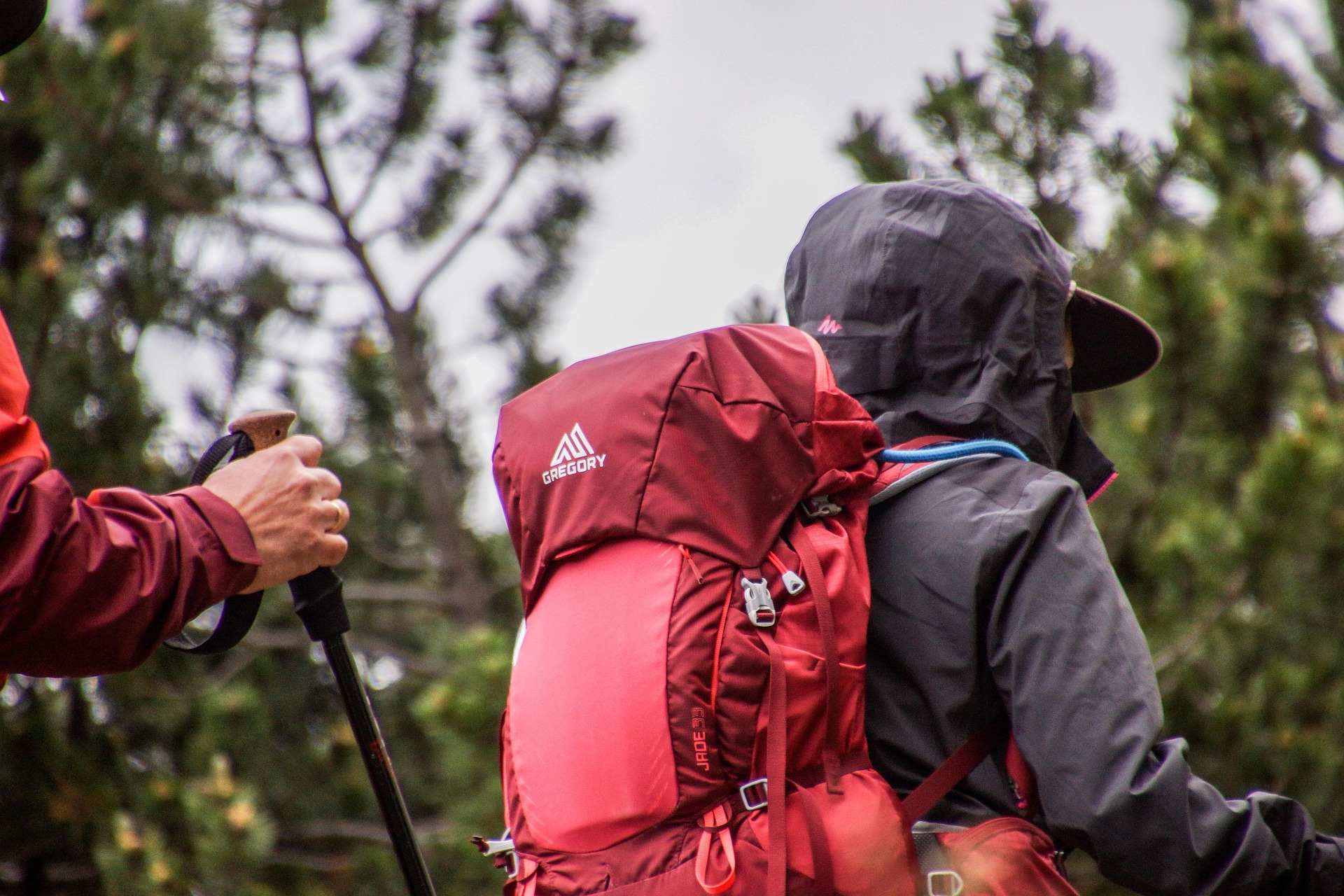
Rucking Bone Density Benefits
One of the most valuable advantages is rucking bone density benefits. Rucking is a weight-bearing exercise—your skeleton must support additional load while you move. This creates healthy stress on bones that encourages them to become stronger and denser.
Research consistently shows that weight-bearing activity helps maintain and improve bone density, particularly in the spine, hips, and legs. The rucking bone density benefits make it especially valuable as an alternative to running for those looking to protect their skeletal health as they age. Wondering how rucking compares to running? See rucking vs. running and walking.
Ruck Hike vs. Ruck Run: What's the Difference?
- Ruck hike — Usually takes place on trails or uneven terrain. The hills and natural environment add a balance challenge and activate stabilizer muscles even more than pavement walking.
- Ruck run — Involves jogging or running while carrying the weight. This is significantly more demanding and places greater stress on the joints. For beginners, walking is more than enough; only move to a ruck run once you have a solid foundation. Curious about combining running and rucking? Read can you ruck and run at the same time?
How to Start Rucking Safely
One of the best things about rucking is how simple it is to begin. You don't need a gym membership—just a bag and some weight.
Beginner guidelines:
- Weight: Begin with about 10% of your body weight. Use our rucking weight calculator.
- Duration: Start with 20–30 minutes.
- Terrain: Choose flat ground until your body adapts.
- Load placement: Ensure the weight is high and tight against your back, not sagging toward your waist. For the right pack and plates, see our gear guide.
Ready to make it official? Start here and build your rucking habit.
Summary
- What is walking with a weighted vest called? Rucking.
- Health benefits of rucking — Burns more calories, strengthens heart and muscles, supports bone density and mood.
- What muscles does rucking work? Glutes, hamstrings, calves, core, back, shoulders, and traps.
- Rucking bone density benefits — Weight-bearing load that can help maintain and improve bone health.
- Ruck hike = trails and hills; ruck run = running with a pack (add once you have a solid base).
- How to start: 10% body weight, 20–30 minutes, flat terrain, weight high on your back.
Final Thoughts
Rucking is sometimes described as a fitness cheat code. It delivers the benefits of strength training and cardio without requiring complicated equipment. If you're ready to take your walking routine to the next level, rucking is the simplest upgrade you can make.
Safety note: While rucking is low-impact, the added weight can stress existing injuries. If you have a history of back, knee, or ankle issues, consult with a professional before starting.