Does Rucking Burn Fat? Your Guide to Rucking for Weight Loss
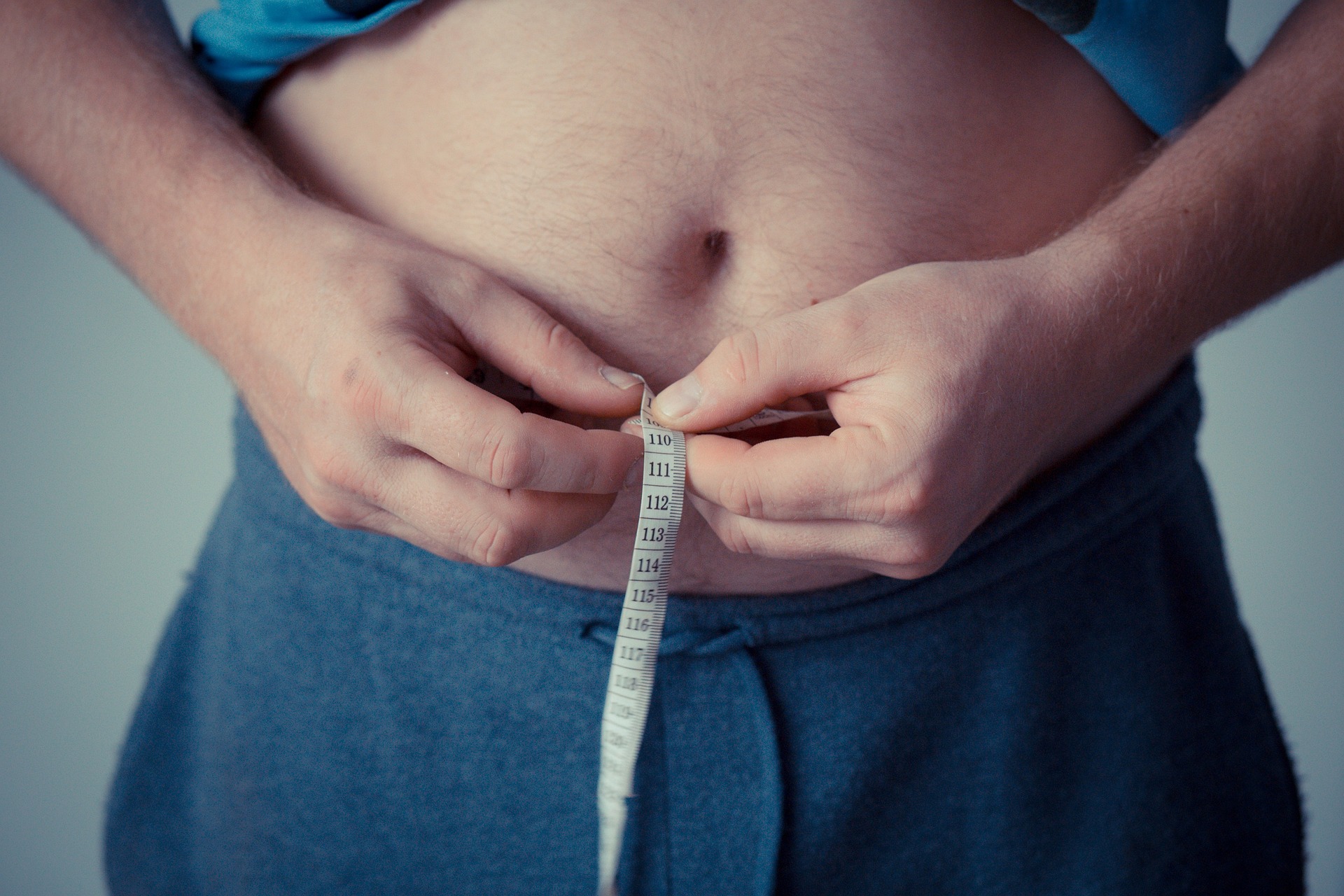
If you're tired of endless treadmill sessions but still want a workout that burns serious calories, you may have come across a surprisingly simple fitness method: rucking.
Originally a staple of military conditioning, rucking involves walking while carrying weight in a backpack. What begins as a basic activity quickly transforms into a challenging workout that bridges the gap between cardio and strength training.
But a common question remains: Does rucking burn fat, or is it primarily for building muscle?
The truth is that rucking for weight loss is exceptionally effective. By adding resistance to a standard walk, you dramatically increase your body's energy demands. Over time, this results in consistent fat loss, improved heart health, and a stronger posterior chain. Because of its unique combination of endurance and resistance training, many experts consider rucking for weight loss one of the most sustainable forms of cardio available. In this guide, we'll explore the science of fat burning and why so many people are turning to rucking to lose weight.
The Big Question: Does Rucking Burn Fat?
The short answer is yes—rucking is an elite fat-burning tool.
When people ask, "does rucking burn fat?", they are usually comparing it to standard walking. While walking is healthy, adding weight changes your metabolic requirements. When you carry an external load—typically between 10 and 30 pounds—your muscles require more oxygen, your heart rate rises, and your caloric expenditure spikes.
This steady aerobic effort keeps your body in the "fat-burning zone" (Zone 2 cardio). Unlike high-intensity sprints that burn glycogen (sugar), rucking relies heavily on stored body fat as a primary fuel source. Because rucking sessions are easier to sustain for long durations than running, the total fat oxidized per session is often much higher.
Why Rucking for Weight Loss Works
Many fitness programs fail because they choose between "cardio" and "strength." Rucking is a "hybrid" exercise that delivers both.
1. Higher Calorie Burn Than Walking
A 180-pound person walking at 3.5 mph typically burns about 150–200 calories per hour. By simply adding a 20-pound backpack, that same person can burn 400–600 calories per hour. This makes rucking vs walking an easy choice for anyone looking to maximize their time.
2. Builds Metabolic Muscle
One reason rucking to lose weight is so effective is the "afterburn" effect. Rucking engages the glutes, legs, core, and shoulders. As you build lean muscle mass, your Resting Metabolic Rate (RMR) increases, meaning you burn more calories even while resting.
3. Improved Insulin Sensitivity
Steady-state rucking improves how your body manages blood sugar. Better metabolic health makes it easier for your body to access fat stores, providing a long-term answer to the question: does rucking help you lose weight?
Is Rucking Good for Weight Loss Compared to Running?
Is rucking better than running for shedding pounds? While running burns more calories per minute, it comes with a "physical tax." Running is high-impact, placing significant stress on the knees and ankles, which often leads to injury-related breaks in training.
In the rucking vs running debate, rucking wins on consistency. Because it is low-impact, you can ruck more frequently throughout the week with less recovery time. For many, three 1-hour rucks are easier on the body than three 1-hour runs, leading to a higher total weekly calorie deficit.
How Many Calories Does Rucking Burn?
The number of calories burned during rucking depends on body weight, pack weight, pace, and terrain.
A 180-pound person carrying a 20-pound pack at a brisk pace can burn between 400 and 600 calories per hour. Increasing the load, walking uphill, or extending the duration can raise this number even further. Over multiple sessions per week, this increased caloric demand creates the deficit required for fat loss.
Use our rucking weight calculator to find the right starting load for your body weight and goals.

How to Start Rucking for Weight Loss
If your goal is fat loss through rucking, follow these three pillars for success:
- The 10% Rule: Start with a weight that is roughly 10% of your body weight. This allows your ligaments and joints to adapt before you go heavier.
- The "Talk Test" Pace: Maintain a brisk pace where your heart rate is elevated, but you can still hold a conversation. This ensures you stay in the optimal fat-burning zone.
- Prioritize Consistency: Rucking for weight loss works best when done 3–4 times per week. Frequent, moderate sessions beat occasional, grueling ones every time.
If you're brand new to rucking, our beginner's guide to rucking covers everything you need to get started.
Weight Loss Efficiency Comparison
Here's how rucking stacks up against walking and running for weight loss.
| Activity | Calories/Hour | Muscle Engagement | Joint Impact |
|---|---|---|---|
| Walking | 150–200 | Low | Very Low |
| Running | 600–800 | Moderate | High |
| Rucking | 400–600 | High | Low |
Final Thoughts: Does Rucking Help You Lose Weight?
So, does rucking help you lose weight? Absolutely. It offers a unique "Goldilocks" solution for fitness: it's more intense than walking but more sustainable than running.
By simply adding weight to your walk, you transform an everyday activity into a full-body challenge that turns your body into a more efficient fat-burning machine.
FAQ: Rucking and Fat Loss
How often should you ruck to lose weight?
Most people see results rucking 3–4 times per week for 30–60 minutes. Consistency matters more than intensity.
How much weight should you carry while rucking?
Beginners should start with 10–15% of their body weight and increase gradually as their strength and endurance improve. Check out our gear guide for recommended packs and plates.
Can beginners use rucking for weight loss?
Yes. Rucking is beginner-friendly because it uses a natural walking motion and can be scaled by adjusting the weight and distance.